Key Takeaways
- GA4 is JavaScript-based and cannot detect AI bot traffic, which operates at the HTTP request level before any tracking script fires.
- Clear Ads recorded 10,932 AI bot crawls from 11 separate systems in three weeks, compared to 231 human organic clicks from Google Search Console.
- Recrawl frequency is the metric that predicts AI search authority: bots only return multiple times per day to content they consider high-quality and regularly updated.
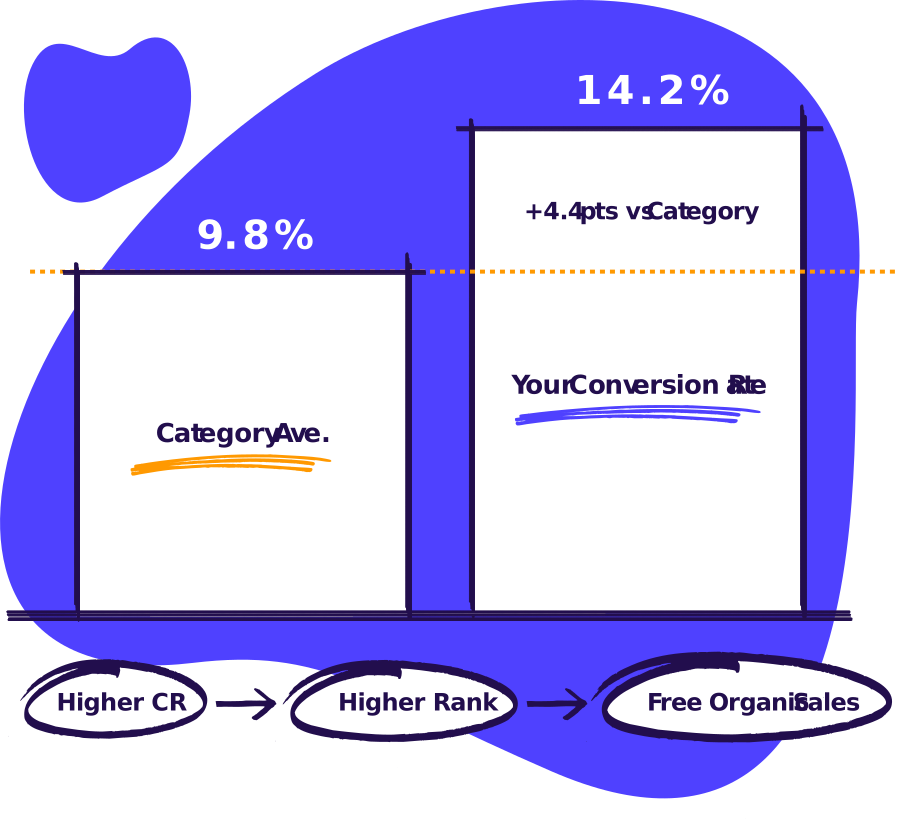
- AI referral traffic converts at 4.4 times the rate of organic search on average, with ChatGPT referrals reaching 15.9% conversion versus 1.76% for Google organic.
- Server-side middleware like BotSight captures AI bot traffic at the network edge, giving brands the visibility that standard analytics tools cannot provide.
- Timely content about emerging topics attracts the widest AI bot coverage fastest, while evergreen guides build consistent, sustained authority signals.
General Summary
AI crawlers are visiting websites thousands of times per week, and standard analytics tools like GA4 have no way to detect them. This is not a bug or an oversight. GA4 fires when a browser runs a JavaScript tracking script. AI bots fetch raw HTML directly over HTTP and never open a browser, which means the script never runs and GA4 records nothing. Over three weeks, Clear Ads tracked 10,932 AI bot visits from 11 systems on their own website using server-side middleware, during a period when Google Search Console showed just 231 human clicks. The AI systems included ChatGPT, Meta AI, Amazon Q, ClaudeBot, SearchGPT, Apple AI, TikTok AI, Perplexity, DuckDuckGo AI, and Gemini Research. Each returned on regular schedules measured in hours. This traffic matters commercially because AI referral visitors are pre-qualified before they arrive. They have already read a synthesised recommendation from an AI assistant. They convert at rates up to nine times higher than organic search traffic. Brands with no visibility into AI bot activity are making content and SEO decisions without half the data.
Extractive Summary
GA4 cannot track AI bot traffic because it relies on JavaScript that AI crawlers never execute. Server-side middleware sits at the network edge and captures every HTTP request before site code loads, making it the only reliable way to measure AI bot activity. Over three weeks, Clear Ads recorded 10,932 AI crawls from 11 bots against 231 human organic clicks, a ratio of 47 AI visits for every one human click. Recrawl frequency is the strongest signal of AI authority: the top four bots returned multiple times per day, which only happens with content an AI system has decided is worth monitoring continuously. Top pages with the highest bot diversity covered AI topics, because AI systems actively research AI-related content across every system simultaneously. ChatGPT referral traffic converts at 15.9%, compared to 1.76% for Google organic search, because AI-referred visitors arrive pre-qualified and already close to a decision.
Abstractive Summary
Search behaviour is splitting into two parallel tracks. Human visitors arrive through browsers, fire tracking scripts, and appear in dashboards. AI systems arrive through raw HTTP requests, leave no trace in GA4, and quietly decide whether a site is worth citing to millions of users. Most brands are optimising entirely for the visible track while the invisible one shapes their reputation in AI-generated answers. The sites that will win in this environment are not necessarily the ones with the most traffic today. They are the ones whose content is being crawled most frequently, by the most AI systems, on the most pages. That is a measurable advantage. It just requires different tools to see it.
Why Can’t GA4 See AI Bot Traffic?
GA4 cannot track AI bot traffic because AI crawlers never run the JavaScript tracking script that GA4 depends on. GA4 fires when a browser loads a page and executes the tracking code embedded in it. AI bots do not use browsers. They send an HTTP request directly to the server, receive the raw HTML, and leave. No browser. No script execution. No GA4 event.
The gap goes further than the script itself. GA4 tracks visitors through sessions and cookies. AI bots maintain neither. There is no concept of a user session when ClaudeBot fetches a pricing page at 2am to verify whether the content has changed since its last visit.
A useful comparison: think of how malware operates at the operating system level, completely invisible to applications running above it. Server-side bot tracking works on the same structural principle. It sits at the network edge, before the site’s code loads, and reads every HTTP request. GA4 only sees the requests that come with browsers attached.
Snowplow’s analytics team described the full AI citation journey as four stages: a training crawl, an indexing crawl, a real-time retrieval fetch, and finally a referral click if the user follows a source link. GA4 captures the last stage only. The first three are invisible by design. This is why researchers started calling it the Dark AI Traffic problem.
What Is BotSight And How Does It Work?
BotSight is Rust-based edge middleware that intercepts every HTTP request at the network level before site code runs. It was built by Anthony Lee, an AI SEO researcher and former Amazon ecommerce specialist who identified the GA4 blind spot and found that existing tools were solving it incorrectly.
The existing options at the time of development were enterprise log file analysers and SaaS platforms charging $50 to $100 per month. Most of them used a JavaScript header tag, the same architecture as GA4, with the same blind spots. BotSight takes a fundamentally different approach by operating at the infrastructure level.
The tool deploys directly on your server infrastructure. It is compatible with Cloudflare, AWS, Vercel, and WordPress. Data stays on your own servers and does not pass through a third-party platform. The core functionality is free.
BotSight differentiates between bot types, which matters more than it might seem. GPTBot and OAI-SearchBot both come from OpenAI but serve different functions. GPTBot crawls for model training data. OAI-SearchBot crawls specifically to build the index that determines whether a page appears as a cited source in ChatGPT search results. Knowing which one is visiting which pages is a different kind of signal.
What Did Three Weeks of AI Bot Data Show?
From February 24 to March 16, Clear Ads tracked 10,932 AI bot crawls from 11 separate systems on their own website. During the same period, Google Search Console recorded 231 organic clicks from 109,000 impressions. That is 47 AI visits for every one human click.
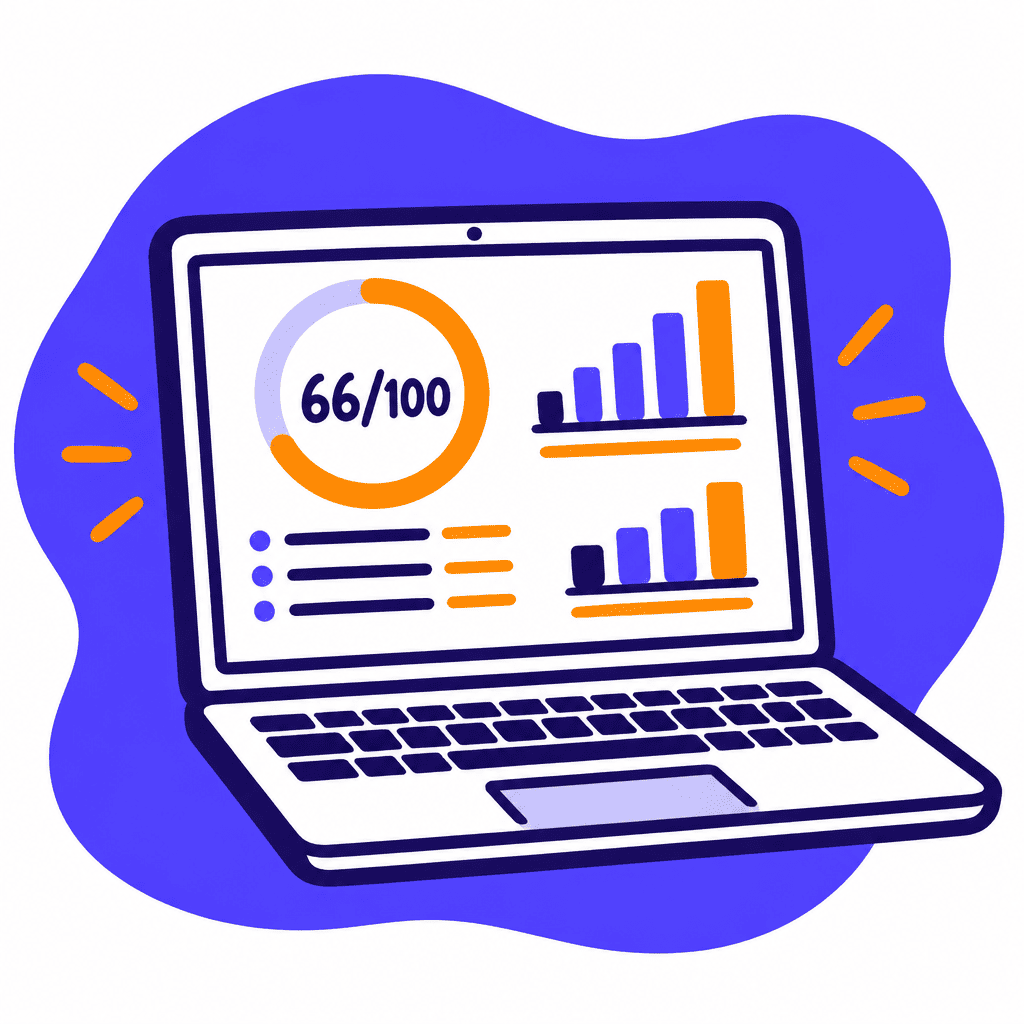
The BotSight Visibility Score for the site returned at 96 out of 100. That score measures bot diversity, crawl frequency, recrawl rate, and page coverage. All 50 tracked pages were indexed. Every bot was returning on a schedule measured in hours.
ChatGPT accounted for 36% of total crawls by week three, down from 59% in week one. The drop looks significant. It is not a problem. ChatGPT front-loads discovery by crawling intensively when it identifies a new authoritative source, then shifts to a regular recrawl rhythm. Top pages were still being visited multiple times daily.
Meta AI increased 46% week on week and became the second most active bot by volume. Meta AI powers WhatsApp AI, Instagram AI, and Facebook AI. That is the largest combined AI user base of any platform currently operating.
Amazon Q held steady at 580 to 700 crawls per week. Amazon Q is AWS’s enterprise AI assistant. For a brand focused on Amazon advertising, having Amazon’s own AI regularly consuming your content carries a different type of signal.
ClaudeBot more than doubled from week two to week three, a 107% increase. On March 15 alone, it made 242 crawls in a single day. ClaudeBot specifically retrieves URLs for real-time citation in Claude chat sessions. Those 242 requests fed directly into what Claude tells its users when they ask about Amazon advertising.
SearchGPT, which is OAI-SearchBot, grew 833% in one week. Off a smaller base, but this is the bot building the index that determines whether pages appear as cited sources in ChatGPT search results. 833% growth means those pages entered that index fast.
Apple AI, TikTok AI, Perplexity, DuckDuckGo AI, and Gemini Research were all active, all indexed, and all returning on regular schedules.
What Does Recrawl Frequency Actually Signal?
Recrawl frequency is the metric that tells you whether your AI authority strategy is working. It is not total crawl volume. Most people reviewing a BotSight report would focus on total hits and look past the return intervals.
The top four bots in the Clear Ads data returned multiple times per day. Apple AI, SearchGPT, and TikTok AI averaged a return visit every 2.4 hours. Gemini Research, the least active bot in the report, returned every 36 hours.
AI systems do not return this often to content they consider low quality or static. A recrawl interval measured in hours means the bot has assessed that content changes frequently enough and matters enough to monitor continuously. That assessment is based on past crawl quality, content depth, topical authority signals, and whether previous content updates were substantive.
High recrawl frequency is a proxy for perceived authority. It is the closest AI-era equivalent of a high domain rating: a signal that a system has decided this source is worth watching.
What Do the Top Crawled Pages Reveal?
High total crawl count and high bot diversity are two different signals and should be read separately. A page with a high hit count from two or three bots means those specific systems value that content. A page with visits from eight or nine different systems means the topic is being researched across the entire AI ecosystem.
The two pages with the highest bot diversity in the Clear Ads data were the Amazon MCP Server article and the Amazon Buy For Me AI article. Nine different systems visited the MCP article. Eight visited the Buy For Me piece. Both cover AI topics on an Amazon advertising channel.
The reason for that broad coverage is structural. AI systems actively research AI-related topics. When ClaudeBot builds Anthropic’s understanding of what is happening in AI commerce, it looks for content about AI commerce. When SearchGPT indexes sources for ChatGPT’s AI search feature, it prioritises pages discussing AI developments in e-commerce. Those pages land on every system’s radar at the same time.
The practical implication: timely content about emerging technology does not just perform well for human SEO. It attracts the widest AI coverage, the fastest. Writing about a new platform development or AI feature within days of its announcement accelerates AI indexing across multiple systems simultaneously.
Evergreen content tells a different story. How to Read an Amazon Ad Report received 434 total hits from 5 bots. Smaller bot diversity but deep, sustained interest from a consistent group. That is a different kind of authority signal: core topic dominance rather than broad topical reach. Both content types produce measurable AI visibility. They just produce it in different ways.
Why Does AI Bot Traffic Convert So Much Better?
AI referral traffic converts at 4.4 times the rate of organic search on average. ChatGPT referrals convert at 15.9%. Google organic converts at 1.76%. Perplexity referrals convert at 10.5%. Claude at 5%. Gemini at 3%.
The reason is visitor intent. When someone clicks a citation in a ChatGPT or Claude answer, they have already received a synthesised recommendation. The AI has evaluated options, assessed relevance, and pointed to that specific source. The visitor arrives pre-educated and pre-qualified. They are not browsing. They are close to a decision.
Ahrefs published data showing that half a percent of their total visitors came from AI search. That half percent drove 12.1% of signups. A 23x conversion multiplier from a traffic source that most analytics dashboards do not even show.
AI referral visitors also show higher engagement signals. They view an average of 2.3 pages per session, compared to 1.2 for organic search. Lower bounce rate. Deeper session depth. Higher intent from the first click.
For B2B brands targeting buyers already deep in research mode, already comparing providers, already convinced they have a problem worth solving, AI referral traffic arrives at exactly the right moment in the decision process. The question is not whether it converts. It does. The question is whether the content is being crawled and cited in time to capture that buyer.
How Do You Start Measuring This on Your Own Site?
BotSight is the starting point for most brands. Anthony Lee built it for exactly this use case and the core functionality is free. It deploys on Cloudflare, AWS, Vercel, or WordPress and starts capturing data immediately. Setup details are at aiplusautomation.com.
Beyond bot tracking, Bing’s AI Performance dashboard provides citation data: which queries your content is being cited in, and how often. Bot tracking and citation tracking together answer two different questions. Bot tracking shows whether AI systems consider the site worth monitoring. Citation tracking shows whether they are actually surfacing it to users. You need both layers to understand your AI search position fully.
Content strategy responds directly to what the data shows. Pages with high recrawl frequency should be updated regularly, because the bots are already coming back and fresh content reinforces the authority signal that triggered the high recrawl rate. Pages with low bot diversity benefit from increased internal linking and topic depth to pull more systems into the index. Timely content about new developments in your sector should go live fast, because the window for broad multi-system AI indexing is narrow and front-loaded.
The brands that will build durable AI search authority are the ones that start measuring now, while the majority of competitors are still optimising exclusively for the traffic their dashboards can see.