The Biggest Shift in AI Is About to Hit Digital Advertising
ChatGPT has transformed how millions of people search for information, plan daily tasks, make buying decisions, and engage with AI tools. But a new shift is unfolding quietly in the background, one that could redefine the economics of artificial intelligence and reshape the digital ad industry.
ChatGPT ads are coming.
Expected to roll out as early as 2026, ChatGPT advertising will give businesses the ability to place sponsored content directly inside AI conversations, reaching more than 800 million weekly active users with unprecedented personalisation.
By 2029, this new ad channel is forecasted to generate nearly $25 billion in annual revenue, positioning it alongside Google, Meta, and Amazon as a dominant global advertising platform.
This article explores everything marketers need to know: how ChatGPT ads will work, what formats to expect, how much they may cost, and what this means for businesses.
What Is ChatGPT Advertising?
ChatGPT advertising is an upcoming monetisation model designed to allow brands to promote products and services within ChatGPT responses. Rather than relying solely on subscriptions, OpenAI is preparing to monetise its free user base through sponsored content, contextual recommendations, and targeted ad placements.
This move is driven by necessity. Operating a large-scale AI platform is extremely expensive, and despite generating billions in revenue, ChatGPT still runs at a significant financial loss. Advertising is the most scalable and predictable way to close the gap — and with hundreds of millions of daily interactions, the opportunity is enormous.
How We Know ChatGPT Ads Are Coming
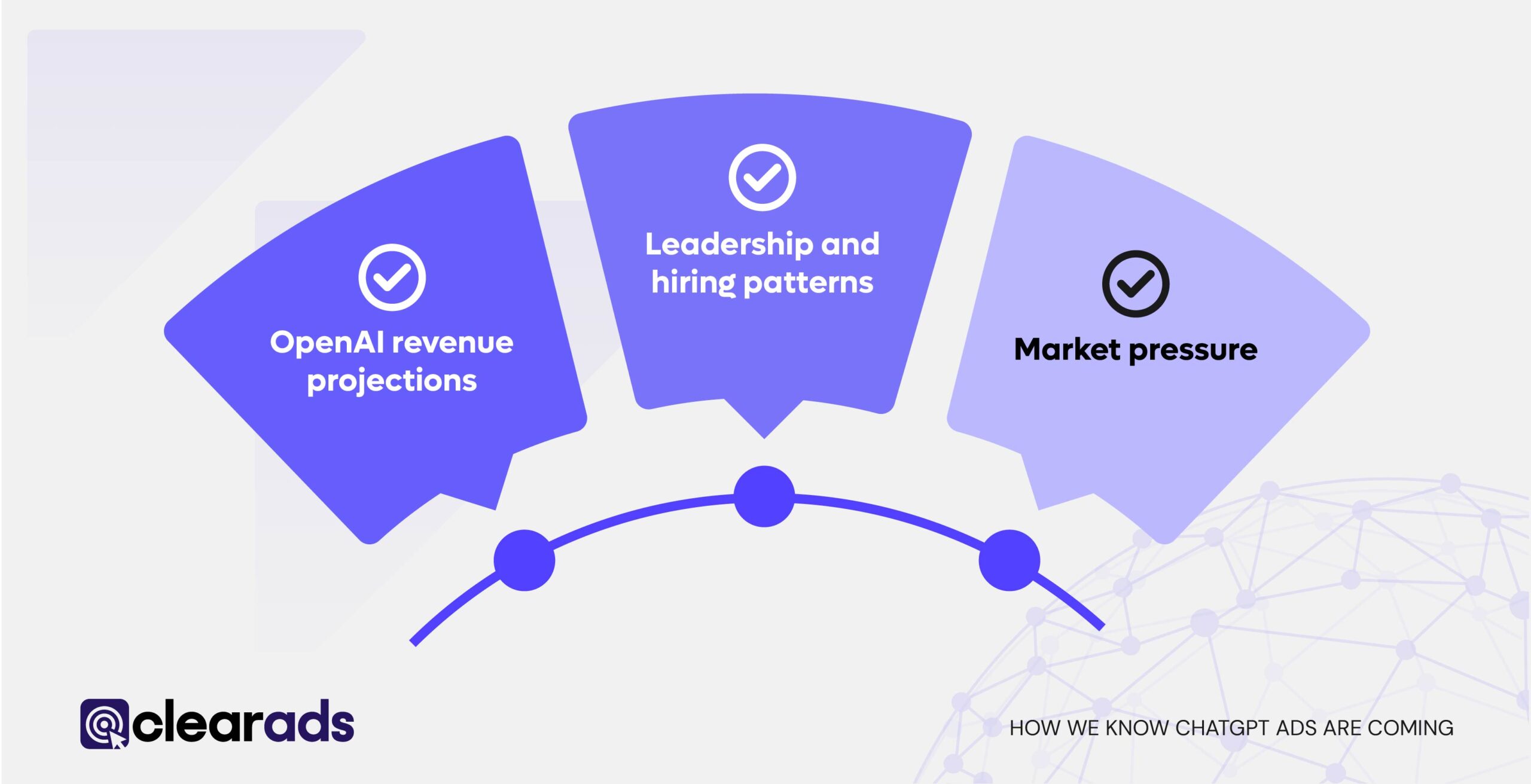
Several signals point to the rollout:
1. OpenAI revenue projections
OpenAI expects to monetise free users beginning in 2026, generating roughly $1 billion initially and growing ad revenue to nearly $25 billion by 2029.
2. Leadership and hiring patterns
Executives and engineers with backgrounds in:
- Google Ads
- Meta Ads
- X (Twitter)
have recently joined OpenAI, bringing deep advertising ecosystem experience with them.
OpenAI has also begun recruiting engineers specifically to build:
- Campaign management tools
- Paid marketing infrastructure
- Ad optimisation systems
ChatGPT Android app 1.2025.329 beta includes new references to an “ads feature” with “bazaar content”, “search ad” and “search ads carousel” pic.twitter.com/BdHOJIQHmA
— Tibor Blaho (@btibor91) November 29, 2025
3. Market pressure
With annual operating expenses exceeding revenue by billions, advertising is becoming a required step for long-term sustainability.
Combined, these signals show that OpenAI is preparing not just a small ad pilot — but a sophisticated, potentially industry-changing ad network.
What Will ChatGPT Ads Look Like?
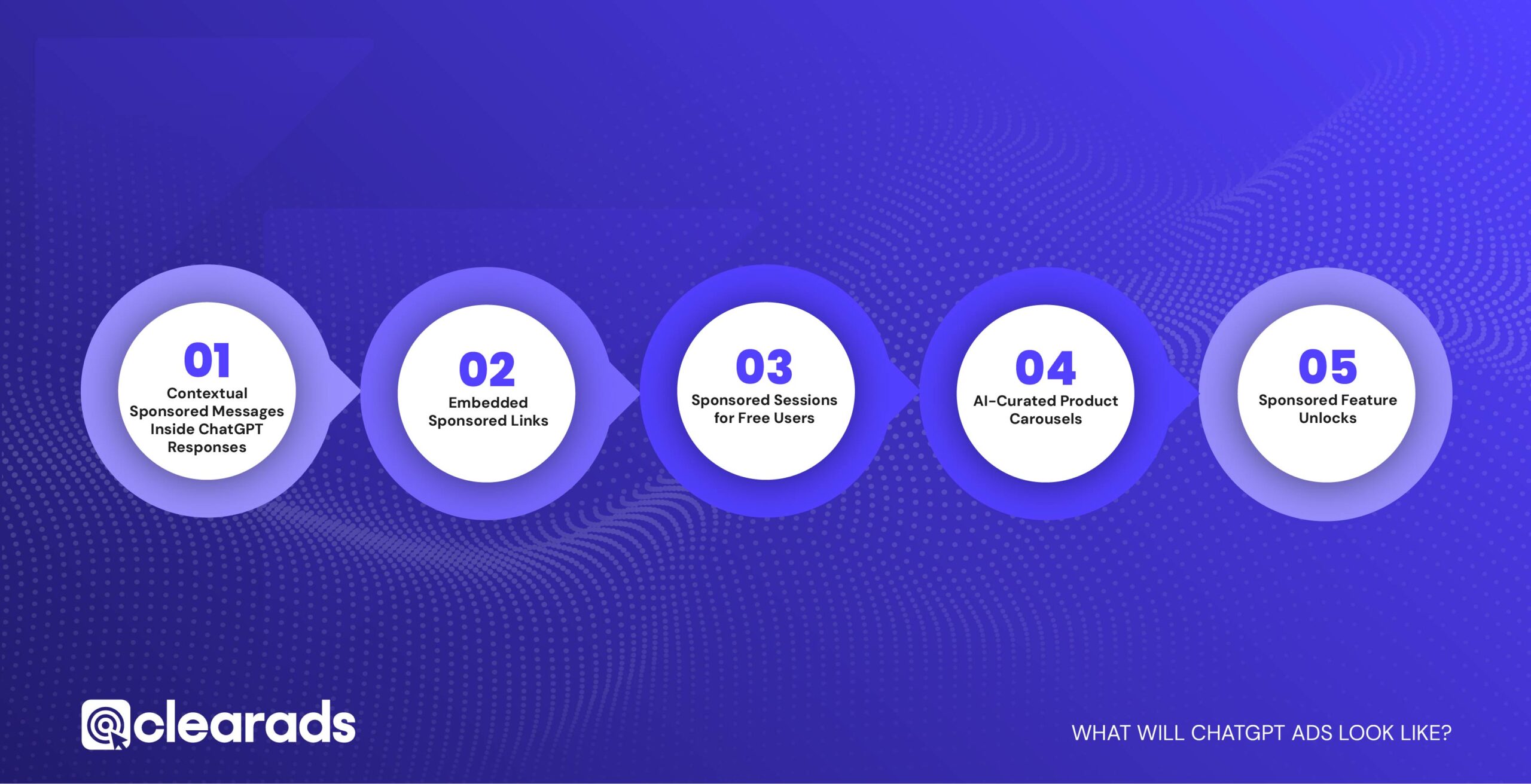
While no official previews have been released, early indicators suggest that ChatGPT ads will be:
- transparent
- clearly labeled as sponsored
- highly personalised
- integrated seamlessly into the conversational experience
Based on current development patterns and the direction of similar AI tools, advertisers can expect several potential formats.
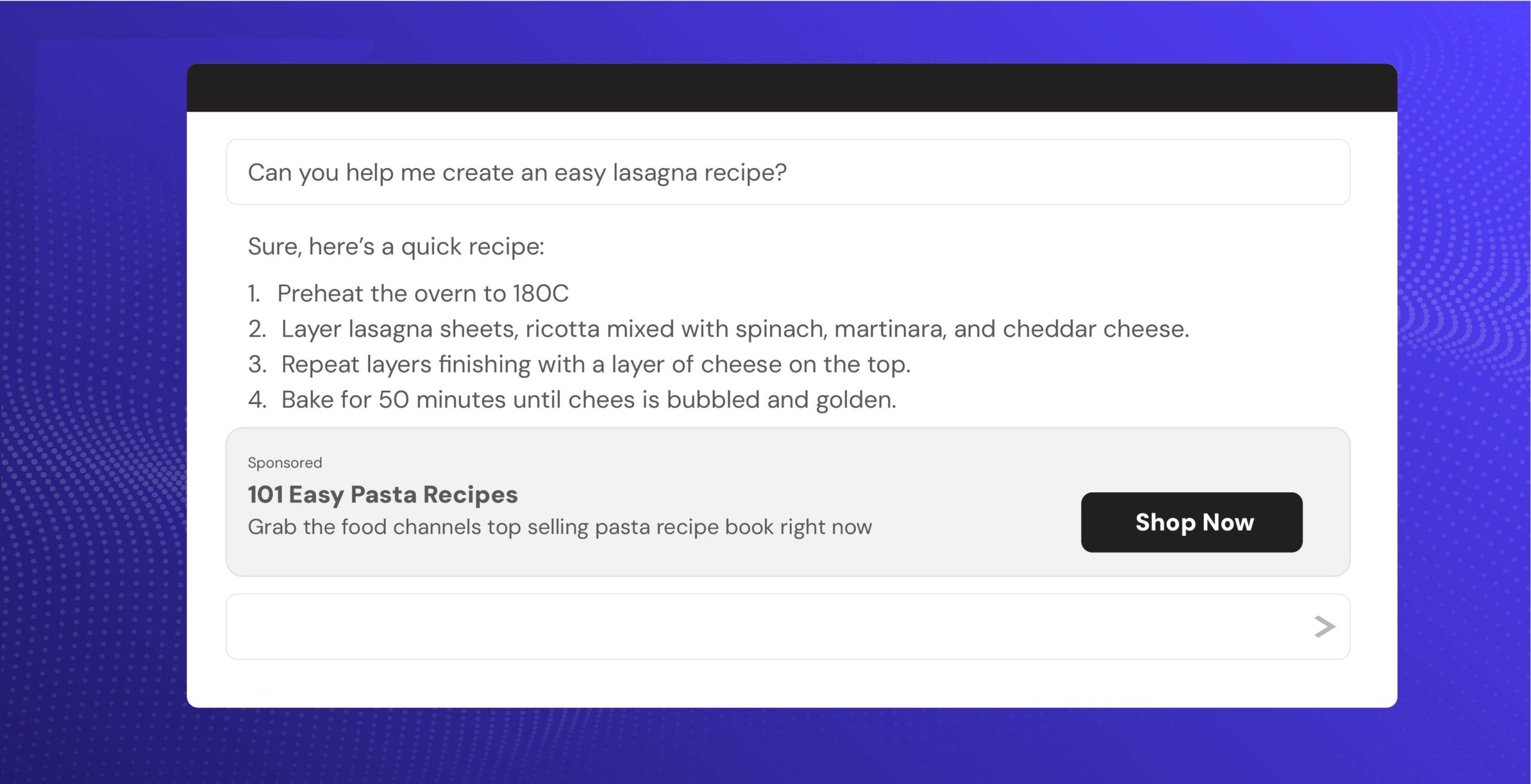
1. Contextual Sponsored Messages Inside ChatGPT Responses
Imagine asking ChatGPT:
“What are the best weekend getaway ideas near London?”
ChatGPT may respond with helpful suggestions but also include a clearly marked sponsored recommendation such as:
Sponsored:
“Looking for a sustainable travel option? EcoTours offers low-impact weekend packages tailored for couples.”
This format blends naturally with the conversational flow while remaining distinctly labeled.
2. Embedded Sponsored Links
As with search engines, certain responses may include:
- sponsored links before the main answer
- sponsored links below the answer
- branded callouts tied to specific queries
This preserves user trust while giving businesses premium real estate.
3. Sponsored Sessions for Free Users
Users on the free tier may unlock premium features by interacting with ads, similar to Spotify’s model for free listeners.
This could include:
- watching short video ads
- viewing interactive ads
- completing sponsored engagements to unlock features like Deep Research
This format lets advertisers reach an enormous global audience while subsidising premium access for users.
4. AI-Curated Product Carousels
ChatGPT may present a product carousel when users request:
- gift ideas
- outfit inspiration
- restaurant recommendations
- equipment lists
- travel suggestions
These carousels could function similarly to Google Shopping or Amazon’s product modules, but with AI-curated personalisation.
5. Sponsored Feature Unlocks
Users may access certain high-value features by engaging with ads rather than by upgrading.
For example:
- “Watch a 15-second sponsored message to unlock 30 minutes of Deep Research.”
This ties advertising directly to product usage.
How Much Will ChatGPT Ads Cost?
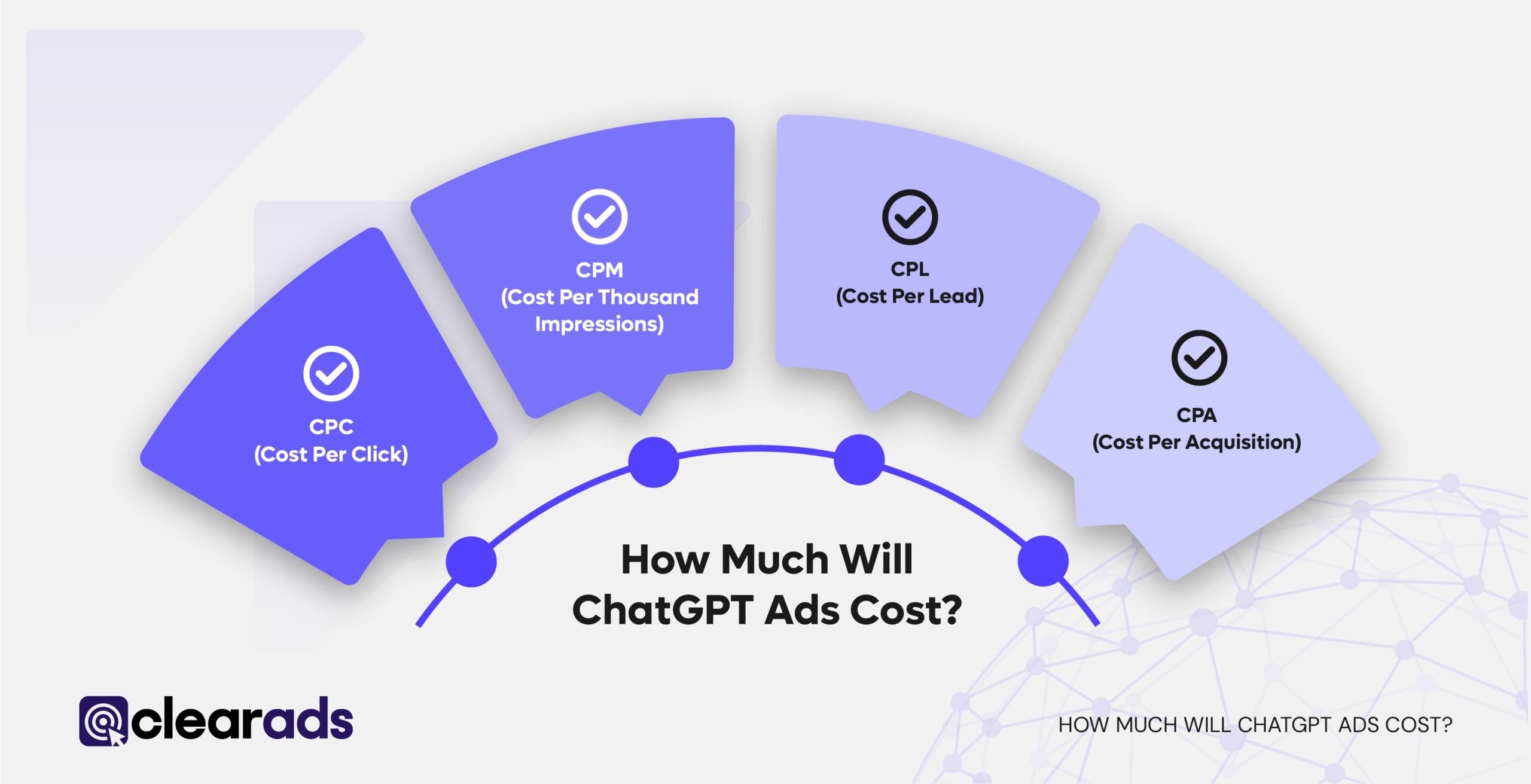
Exact pricing is unknown, but early indicators suggest ChatGPT ads will borrow from established digital advertising models, including:
- CPC (Cost Per Click)
- CPM (Cost Per Thousand Impressions)
- CPL (Cost Per Lead)
- CPA (Cost Per Acquisition)
As with Google and Meta, prices will likely depend on:
- competition levels
- audience targeting
- ad quality and relevance
- industry type
- conversion goals
Expect lower costs early on
Early adopters typically benefit from much lower costs before competition scales. Businesses that begin testing ChatGPT ads in the first year may enjoy unusually strong ROI.
How the ChatGPT Ad Auction System May Work
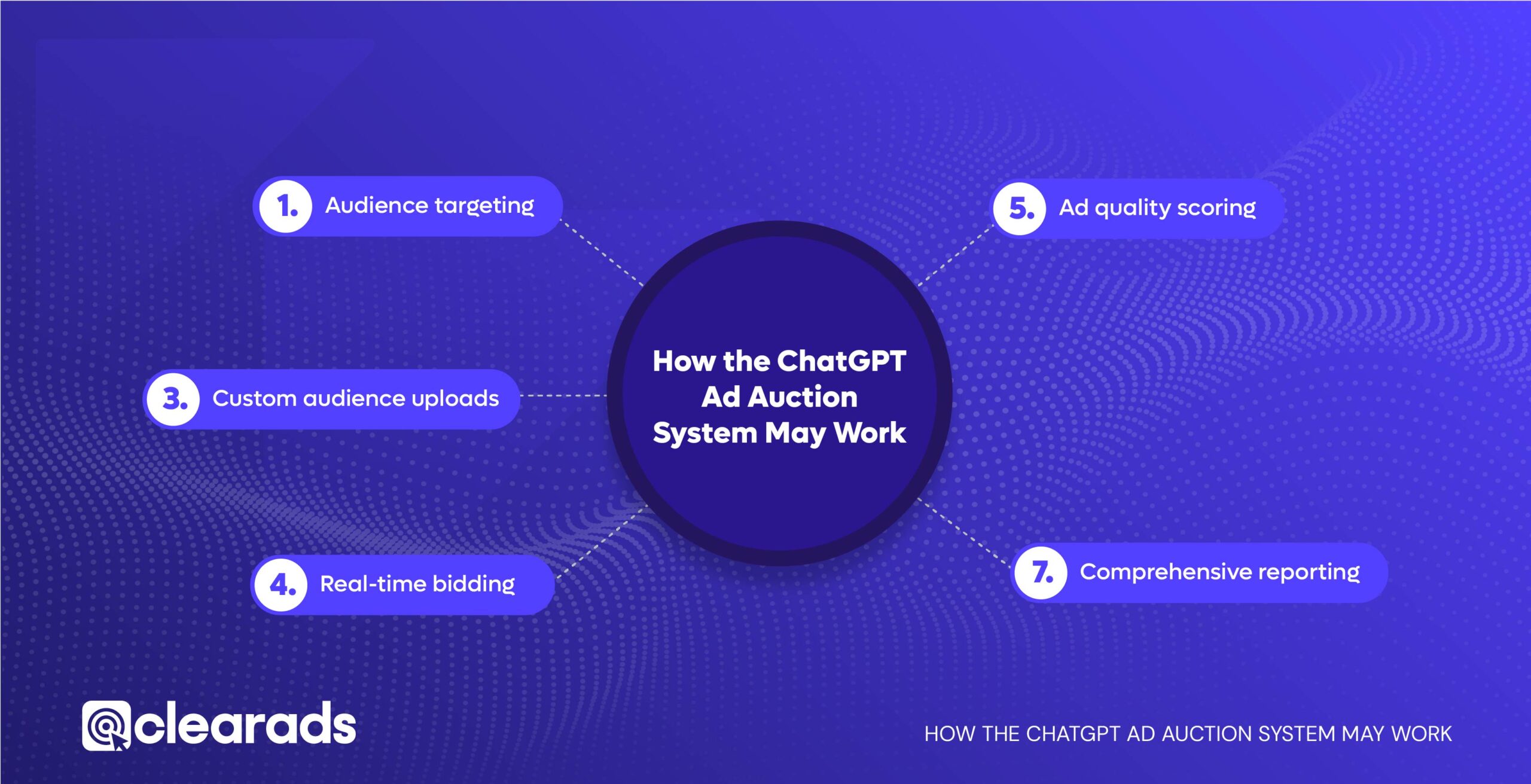
OpenAI’s hiring patterns suggest it will use familiar components from Google and Meta’s ad ecosystems, such as:
- Audience targeting: demographic, psychographic, and interest-based
- Custom audience uploads: customer lists, CRM data, remarketing
- Real-time bidding: similar to Google’s auction-based model
- Ad quality scoring: based on user interactions and conversion behavior
- Comprehensive reporting: impressions, engagement, ROAS, and more
There are also strong indications that ChatGPT ads will integrate with existing advertising platforms, suggesting a future where brands could run AI, search, and social campaigns in a single ecosystem.
Who Should Advertise on ChatGPT?
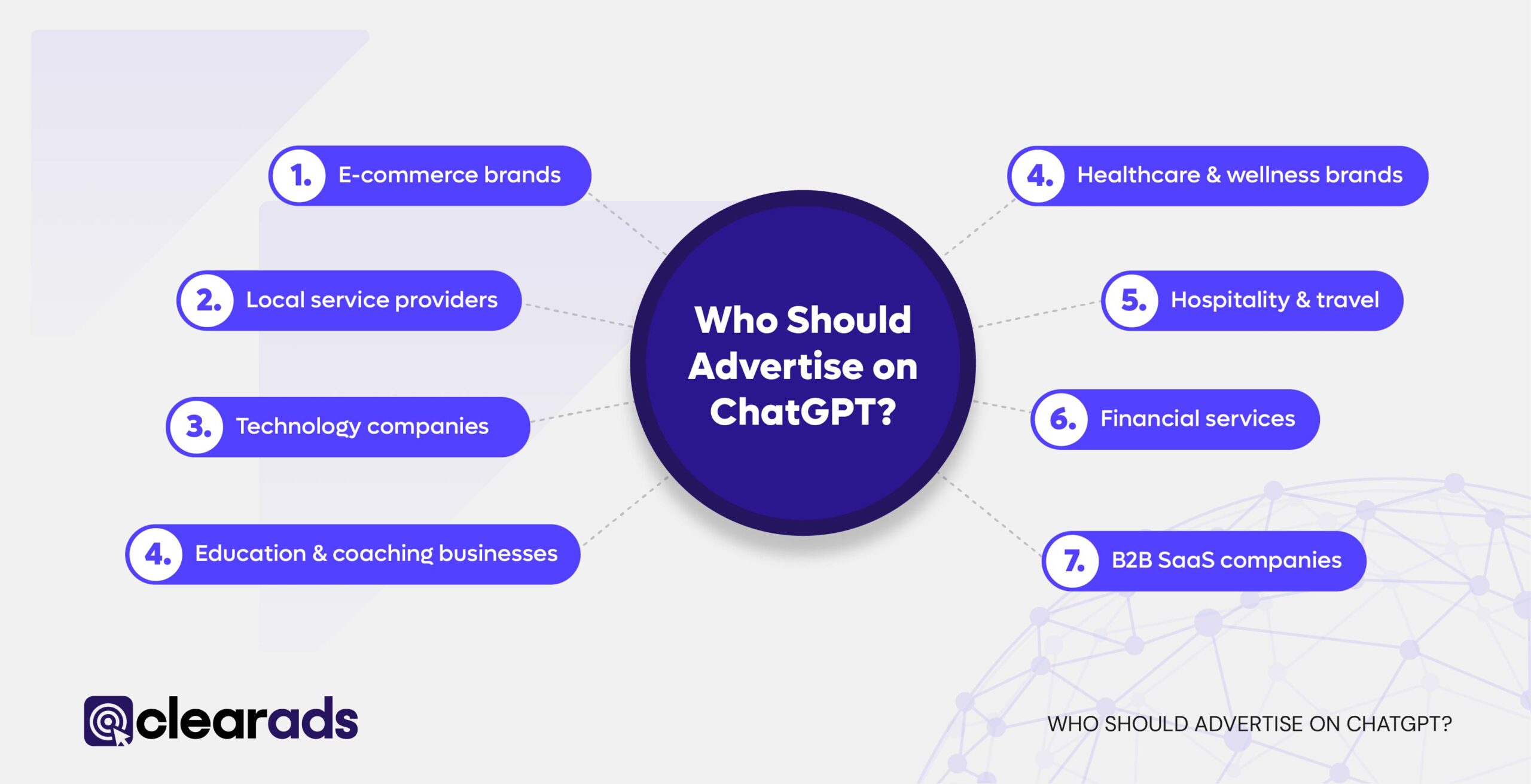
Because ChatGPT attracts a wide range of users, with approximately 54–57% between ages 18–34, the platform presents a powerful opportunity for:
- E-commerce brands
- Local service providers
- Technology companies
- Education and coaching businesses
- Healthcare and wellness brands
- Hospitality and travel
- Financial services
- B2B SaaS companies
Any business that benefits from:
- search traffic
- product discovery
- knowledge-based queries
- consultative research
will find ChatGPT advertising especially effective.
And because ad competition will be low at launch, early adopters have the chance to secure unusually high visibility at a fraction of the eventual cost.
Organic Visibility: How Businesses Can Appear in ChatGPT Before Ads Launch
Even before paid ads go live, companies can already appear inside ChatGPT answers through AI search optimisation. Some businesses have experienced dramatic gains such as:
- over 1,000% increases in traffic
- fivefold increases in conversions
- visibility gains surpassing competitors
This comes from optimising for both search engines and answer engines. The AI tools that crawl, interpret, and cite online content.
Successful strategies include:
- creating unique, authoritative content
- structuring information with headings, tables, and clean markup
- supplying clear, factual answers to common questions
- earning citations from trusted sites
- improving website accessibility for AI crawlers
Brands that optimise now will have an advantage once ads roll out, as both organic ranking and ad relevance feed into performance.
The Ethical Question: How Will Ads Impact AI Trust?
The arrival of ads in conversational AI raises important questions for users and regulators.
Will sponsored content influence the recommendations people rely on for:
- health guidance?
- financial decisions?
- education?
- legal queries?
- family matters?
While it is expected that ChatGPT ads will be clearly labeled and transparently displayed, this development still marks a fundamental shift. AI will no longer be a purely neutral knowledge engine, it becomes a commercial environment with competing interests.
Brands and users alike will need to navigate this new landscape with awareness and scrutiny.
Conclusion: The AI Advertising Era Is Beginning
ChatGPT ads represent the biggest shift in digital advertising since Google Ads. With global usage, deep personalisation, and conversational integration, this new channel is set to redefine how businesses reach consumers online.
Marketers should prepare for:
- new ad formats
- new optimisation strategies
- new analytics models
- new ethical considerations
And above all, a new world where AI itself becomes a primary discovery engine — not just a tool, but a marketplace.
The companies that learn how to work with AI-driven advertising early will gain the strongest long-term advantage.